Healthy Food and Drinks: The Foundation of a Balanced Lifestyle
Food and drinks play a vital role in maintaining overall health and well-being. The choices we make every day regarding what we eat and drink directly affect our energy levels, physical fitness, mental clarity, and long-term health. A balanced diet combined with proper hydration can help prevent diseases, strengthen the immune system, and improve quality of life.
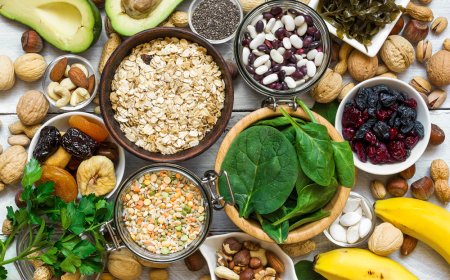
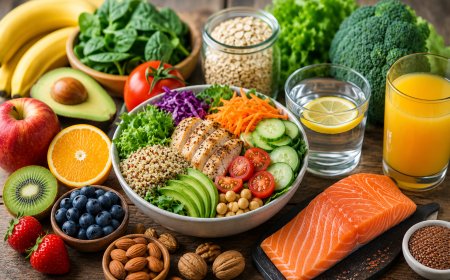
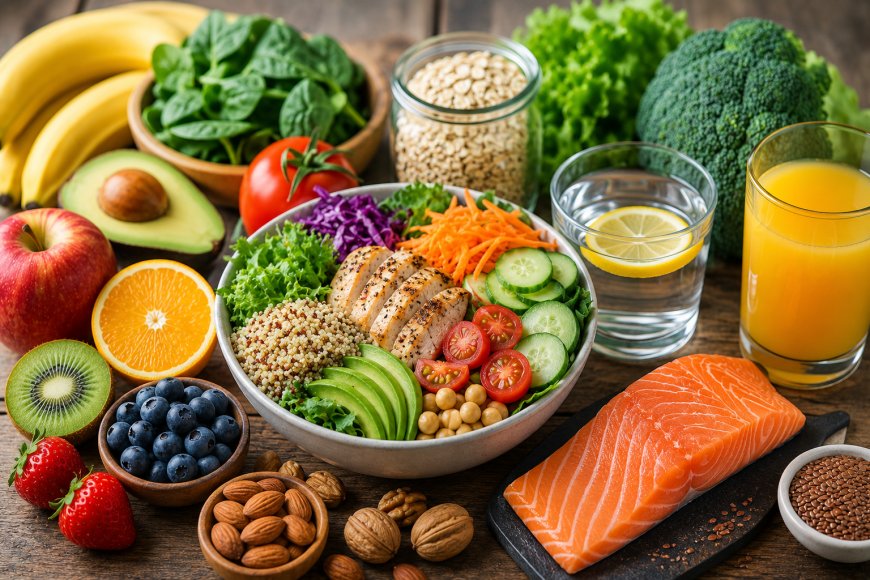
Healthy eating begins with incorporating a variety of nutrient-rich foods into daily meals. Fruits and vegetables are among the most important components of a healthy diet. They are packed with essential vitamins, minerals, antioxidants, and fiber that support various bodily functions. Consuming colorful fruits and vegetables such as apples, oranges, berries, spinach, carrots, and broccoli helps provide a wide range of nutrients necessary for optimal health.
Whole grains are another important part of a balanced diet. Foods such as brown rice, oats, quinoa, and whole wheat bread provide complex carbohydrates that supply the body with steady energy throughout the day. Unlike refined grains, whole grains contain fiber that supports digestion and helps maintain healthy cholesterol levels.
Protein is essential for building and repairing tissues, supporting muscle growth, and maintaining a strong immune system. Healthy protein sources include lean meats, fish, eggs, beans, lentils, nuts, and seeds. Including adequate protein in meals can help increase satiety and support overall body function.
Healthy fats are often misunderstood but are crucial for good health. Sources such as avocados, olive oil, nuts, and fatty fish contain beneficial fats that support heart health and brain function. Replacing unhealthy trans fats and excessive saturated fats with healthier alternatives can reduce the risk of cardiovascular disease.
In addition to healthy food choices, selecting nutritious beverages is equally important. Water is the best drink for maintaining hydration and supporting essential bodily processes. Proper hydration helps regulate body temperature, transport nutrients, and remove waste products. Health experts generally recommend drinking sufficient water throughout the day, especially during physical activity and hot weather.
Fresh fruit juices, smoothies, herbal teas, and low-fat milk can also contribute to a healthy diet when consumed in moderation. These beverages can provide valuable nutrients while helping individuals meet their daily fluid requirements. However, sugary soft drinks and highly processed beverages should be limited, as excessive sugar consumption can contribute to obesity, diabetes, and other health concerns.
Meal planning and mindful eating are effective strategies for maintaining healthy dietary habits. Preparing meals at home allows greater control over ingredients and portion sizes. Eating slowly and paying attention to hunger and fullness cues can also help prevent overeating and encourage a healthier relationship with food.
A balanced approach to food and drinks does not require strict restrictions. Instead, it focuses on moderation, variety, and making informed choices. Occasional treats can still be enjoyed as part of an overall healthy lifestyle when balanced with nutritious meals and regular physical activity.
In conclusion, healthy food and drinks are the foundation of a strong and active life. By choosing nutrient-rich foods, staying hydrated, and practicing mindful eating habits, individuals can support their physical and mental well-being while reducing the risk of chronic diseases. Small daily improvements in dietary choices can lead to significant long-term health benefits and a happier, healthier future.